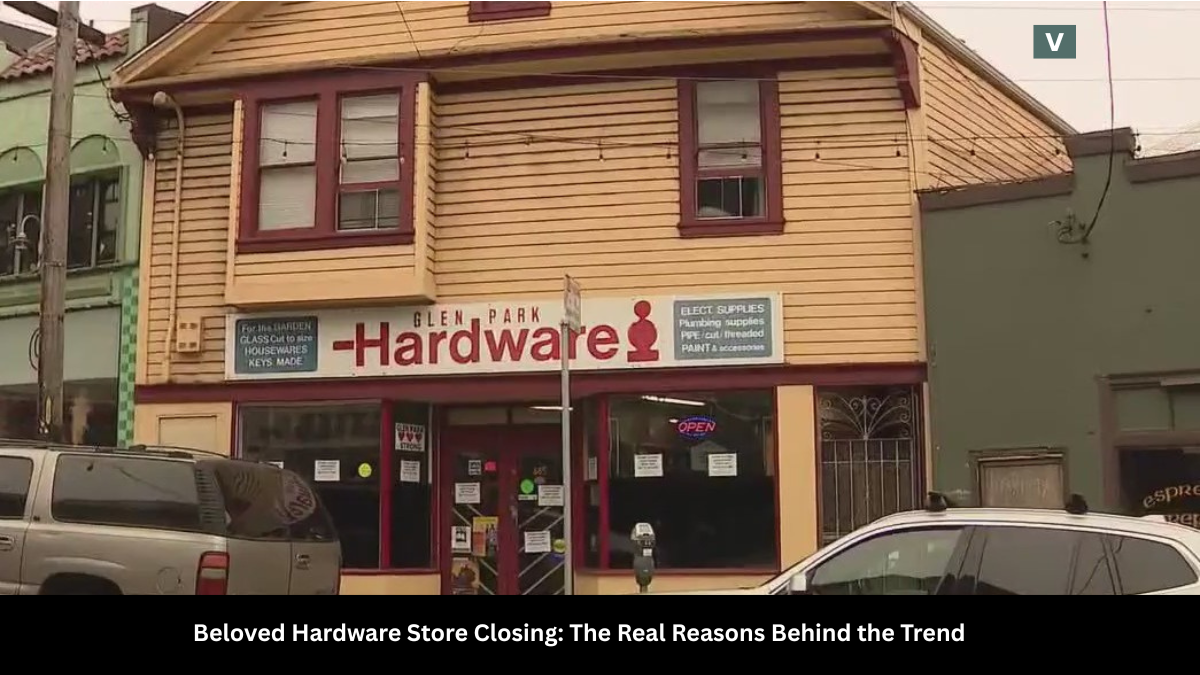
A beloved hardware store closing is always more than just another business headline. It represents the end of a place where neighbors gathered, homeowners found solutions, and local contractors relied on trusted advice. Whether the closure is due to economic pressures, changing consumer habits, or increased competition, the impact often reaches far beyond the storefront. In this article, we’ll explore why the phrase beloved hardware store closing resonates with so many communities, what causes these closures, and what customers can do to support local businesses before more familiar names disappear.
Beloved Hardware Store Closing: Why It Matters to Local Communities
When news spreads about a beloved hardware store closing, longtime customers often react with disappointment and nostalgia. Unlike large retail chains, independent hardware stores are deeply connected to their communities. They have served generations of families, helping with everything from home repairs to gardening projects.
These stores are known for offering personalized service that is difficult to find elsewhere. Employees often recognize repeat customers by name and can recommend the right tools or materials based on years of experience. That level of trust creates loyal relationships that extend well beyond a typical shopping experience.
For many neighborhoods, a hardware store is part of the local identity. Losing one means losing a valuable gathering place where practical advice, friendly conversations, and community connections naturally happen. This emotional attachment explains why stories about a beloved hardware store closing receive so much attention.
The Main Reasons Behind a Beloved Hardware Store Closing
One of the biggest reasons for a beloved hardware store closing is the increasing competition from large home improvement chains and online retailers. National brands benefit from larger inventories, aggressive pricing, and extensive marketing budgets that many independent stores simply cannot match.
Changing shopping habits have also contributed to the problem. Consumers increasingly prefer ordering products online for convenience, even if they lose the opportunity to receive expert advice. As e-commerce continues to grow, smaller retailers often struggle to maintain steady customer traffic.
Economic challenges add another layer of difficulty. Rising rent, higher utility bills, increased labor costs, and inflation have significantly raised operating expenses. Even stores with loyal customers may find it impossible to remain profitable under these conditions.
How Customers Are Affected When a Beloved Hardware Store Closing Is Announced
The announcement of a beloved hardware store closing often leaves homeowners and contractors searching for alternatives. While larger retailers may carry similar products, they rarely offer the same level of personalized assistance or product knowledge.
Many customers appreciate being able to ask detailed questions and receive practical recommendations from experienced staff. Independent hardware stores frequently employ people with decades of industry knowledge, making them trusted advisors rather than simply cashiers.
The closure also creates inconvenience for local residents. Instead of making a quick trip to a neighborhood store, customers may need to drive farther or wait for online deliveries. For urgent repair projects, this delay can become both frustrating and costly.
The Economic Impact of a Beloved Hardware Store Closing
A beloved hardware store closing affects more than just its customers. Local economies also experience the consequences. Independent businesses often purchase services from nearby vendors, support local charities, and participate in community events.
When these businesses close, jobs disappear along with them. Employees who have spent years serving their communities may face unemployment or be forced to relocate for new opportunities. This loss affects families as well as the surrounding economy.
Vacant commercial buildings can also reduce neighborhood appeal. Empty storefronts often discourage new investment and decrease foot traffic for neighboring businesses. Over time, multiple closures can significantly change the character of a once-thriving shopping district.
Why Independent Hardware Stores Continue to Hold a Special Place
Despite increasing competition, independent hardware stores continue to earn customer loyalty because of their exceptional service. Many shoppers value knowledgeable staff who genuinely care about helping them complete projects successfully.
These stores often stock specialized products that larger retailers overlook. Whether it’s replacement parts for older homes or locally preferred gardening supplies, independent stores frequently understand the unique needs of their communities better than national chains.
Community involvement also strengthens their reputation. Hardware stores commonly sponsor youth sports teams, support fundraising events, and contribute to local improvement projects. These activities build relationships that go beyond business transactions.
Can Communities Prevent Another Beloved Hardware Store Closing?
Communities play an important role in helping local businesses survive. Choosing to shop locally—even when prices are slightly higher—can make a meaningful difference over time. Every purchase helps support local jobs and keeps money circulating within the community.
Word-of-mouth recommendations remain one of the most powerful marketing tools for small businesses. Customers who share positive experiences with friends, neighbors, and family members encourage others to support local retailers before it’s too late.
Many independent hardware stores have also adapted by expanding online ordering, offering curbside pickup, and improving customer service. These efforts demonstrate that small businesses can remain competitive when communities actively support them.
Lessons Business Owners Can Learn from a Beloved Hardware Store Closing
The story behind a beloved hardware store closing provides valuable lessons for business owners across many industries. Adapting to changing consumer expectations has become essential for long-term success.
Investing in digital technology, maintaining an active online presence, and offering convenient purchasing options can help attract modern customers. At the same time, preserving personalized customer service remains a significant competitive advantage that larger retailers often struggle to replicate.
Business diversification is another important strategy. Many successful hardware stores have expanded into equipment rentals, home maintenance workshops, key cutting services, paint matching, and seasonal products to create additional revenue streams.
The Future of Independent Hardware Stores
Although stories about a beloved hardware store closing have become more common, the future is not entirely negative. Many independent stores continue to thrive by focusing on customer relationships rather than competing solely on price.
Consumers are increasingly recognizing the importance of supporting local businesses. Shopping locally helps preserve community character while ensuring expert service remains available for future generations. This growing awareness may help many family-owned hardware stores remain successful.
Innovation will also shape the future. Stores that combine traditional customer service with modern technology, online shopping options, and specialized services are better positioned to compete in today’s retail environment. Their ability to adapt while maintaining strong community connections offers hope despite ongoing industry challenges.
Conclusion
A beloved hardware store closing is more than the loss of another retail location—it represents the end of a trusted community institution that has helped generations of customers solve everyday problems. These stores provide expertise, personalized service, and neighborhood connections that are difficult to replace.
While economic pressures, changing consumer behavior, and increased competition continue to challenge independent retailers, local communities still have the power to make a difference. Supporting neighborhood businesses through regular purchases and positive recommendations can help preserve these valuable establishments.
As retail continues to evolve, independent hardware stores that embrace innovation while maintaining their personal touch have the best opportunity to succeed. Their continued presence benefits homeowners, local economies, and entire communities, reminding us that some businesses offer value far beyond the products they sell.