The demand for construction company marketing agency services is rising fast because construction itself is changing a lot. Many firms used to rely on word-of-mouth and bidding alone.
Now, the market is crowded and strongly shaped by online search, so companies need people who know how to market construction the right way. With higher operating costs, more rules to follow, and a global market expected to hit about $15.7 trillion by 2025, focused marketing has moved from “nice to have” to “must have” for staying in business and growing.
This demand is not a short-lived fad. It shows a real shift in how construction companies find clients, win contracts, and build a long-term name people trust. Since digital platforms now play a big part in how owners and buyers find contractors, many firms want partners who understand construction work and can build plans that fit this industry.
Why Are Marketing Agency Services for Construction Companies Experiencing High Demand?
What Industry Shifts Are Driving Construction Marketing Needs?
Construction was once seen as slow to adopt new tools, but that has changed quickly. More companies are using digital tools, and this is a main reason specialized agencies are in demand. About 96% of people now research local businesses online, including construction companies. That alone shows why a strong online presence is no longer optional in 2026-it’s the minimum needed to be found.
At the same time, the industry is getting bigger. The global building sector is expected to reach $19.59 trillion by 2032, which brings more firms competing for larger projects. Add in worries about rising labor costs (63% of contractors are concerned) and material costs (73% are concerned), and companies feel pressure to win work in smarter, more efficient ways. Tools like virtual reality and AI are also being used in marketing by agencies that want to show projects in clearer, more engaging ways.
How Do Construction Market Trends Influence Demand for Specialized Agencies?
Market trends show why “one-size-fits-all” marketing does not work well anymore. Competition is stronger, and construction buyers now compare companies online before they ever make contact. Firms can’t rely on generic marketing while competitors use focused SEO and digital campaigns.
By 2025, marketing based on data is expected to beat marketing based on gut feelings, which makes agencies that study trends, award history, and customer behavior very valuable.
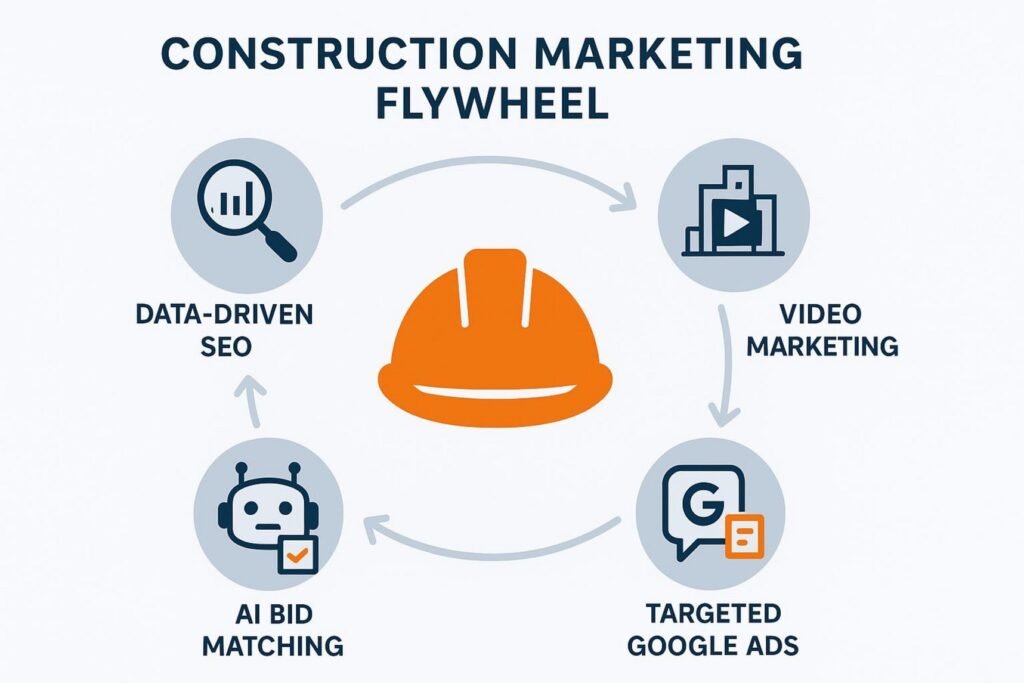
Video marketing is also changing how construction companies show their work and connect with buyers, and it requires a joined-up digital plan. Specialized agencies can also help smaller firms compete with bigger companies by using tools like Google Ads to reach the same buyers at a lower cost.
Automation is now a basic need, especially since 92% of construction companies have trouble filling open jobs. AI bid matching and predictive scoring can raise win rates by 22% to 31%, showing the real, trackable value these agencies can bring.
How Construction Marketing Agencies Differ from Generalist Firms
What Unique Challenges Do Construction Companies Face in Marketing?
Construction is one of the most regulated industries, and that creates marketing problems that many general agencies don’t see. Construction marketing has to be persuasive while staying fully accurate.
Overstating bonding capacity, listing certifications you don’t have, or stretching project experience can cause serious trouble-especially during prequalification, where owners compare public claims against official paperwork.
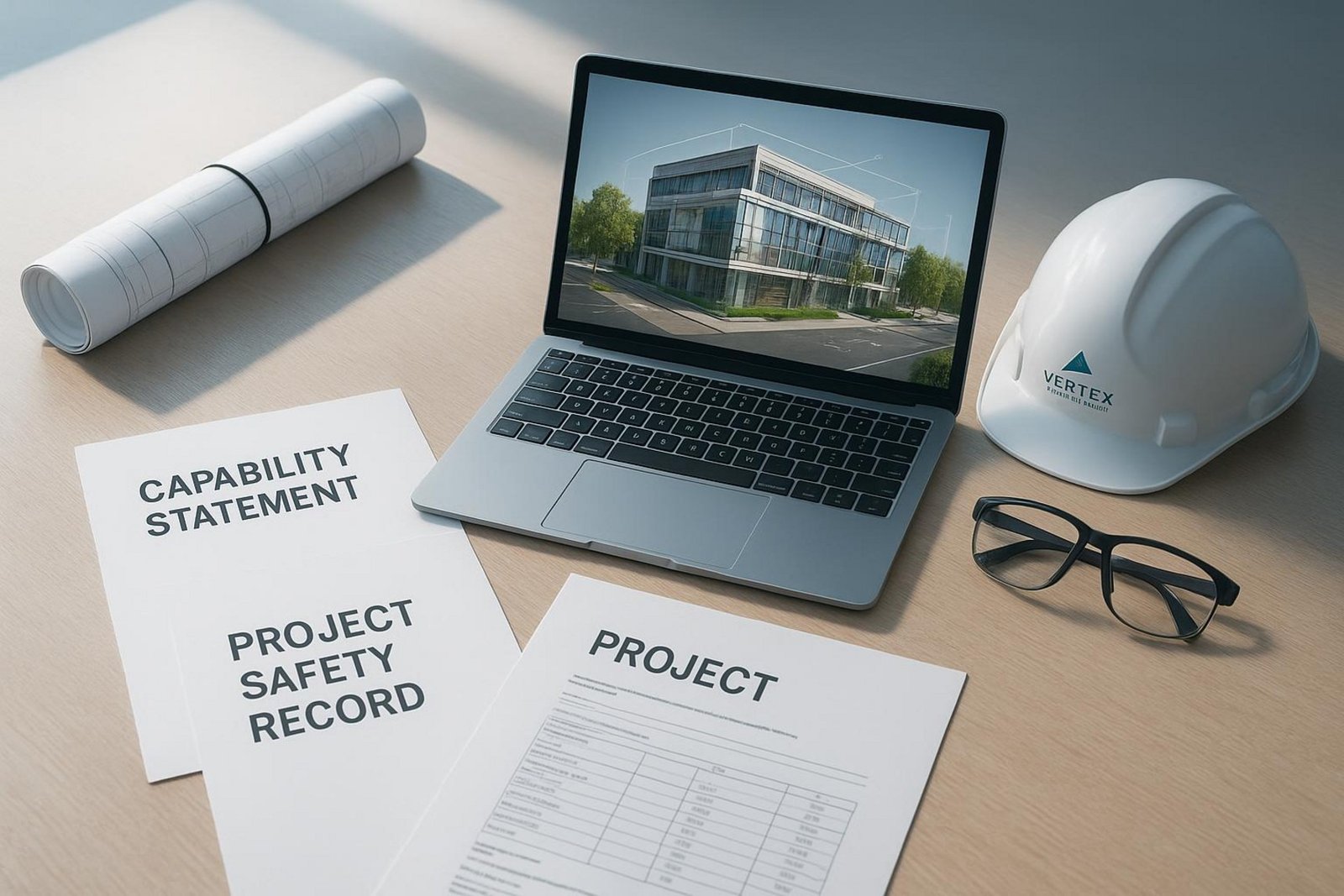
Key business development documents like capability statements, project sheets, and safety records are not just “marketing pieces.” Procurement teams review them during qualification and bidding, so they must be precise and use the right industry wording.
Construction is also built on relationships. Digital marketing can help a company get seen and start conversations, but it won’t go far without strong professional connections. Good construction marketing supports and strengthens those relationships instead of trying to replace them. That takes an approach that respects direct, personal communication with owners, architects, and general contractors.
Why Do Generic Marketing Strategies Often Fail in the Construction Sector?
General marketing agencies often struggle with construction because they don’t know the industry well enough. Many treat construction like any other B2B or B2C business and miss what makes it different. They may not understand plan-and-spec bidding versus design-build work, or how bonding requirements and prequalification packages shape who can win jobs. This gap also shows up in writing and content.
A general agency may not be familiar with OSHA compliance, LEED certification, or prevailing-wage paperwork, which can lead to vague or incorrect content.
Keyword strategy is another common miss. Instead of aiming for broad searches like “commercial contractor near me,” a specialized agency knows that many high-value leads come from detailed searches such as “healthcare facility general contractor prequalified for state university systems.” That level of focus matters if you want the right kind of work.
General agencies may also write case studies that skip the real scope of a project because they don’t know how to explain phased work, CM-at-risk delivery, or similar details-making the firm look less credible during prequalification.
How Is the Construction Buyer Journey Distinct from Other Industries?
Buying construction services usually takes a long time and involves many steps, often 12 to 18 months. Many industries have much shorter sales cycles. In construction, an owner may spot a need, hire an architect, create plans, go through permits, and then either negotiate with a contractor or open the work to competitive bids. Because this takes so long, marketing needs to support a long timeline and keep the company visible while relationships grow-not just chase quick leads.
According to the Construction Marketing Association, companies with a steady brand presence win 23% more negotiated projects than companies that only chase bids. This shows that winning isn’t only about being the lowest price. It’s also about showing the right experience, proving you can be trusted, and building confidence over time.
Many owners choose teams they feel comfortable with, so consistent messaging across every channel helps build a brand that attracts the right clients.
What Key Services Do Construction Company Marketing Agencies Provide?
Strategic Branding and Reputation Management
A construction marketing agency does more than make a logo and pick colors. It helps build a clear brand that shows what the company stands for, what it does best, and why it’s different. In construction, projects are expensive and risky, so trust matters a lot.
A clear brand helps a firm look stable and dependable, and it separates the company from many similar competitors. This kind of branding can bring in new clients and also support repeat work and referrals.

Reputation management is a big part of this. Many buyers research companies online before reaching out, so reviews and testimonials matter. Agencies help companies collect feedback from happy clients and share it on websites, social platforms, and review sites. Each client interaction affects the company’s public image, and agencies help make that image strong and believable.
Industry-Specific Content Creation and Compliance Support
Basic, generic content usually fails in construction. Specialized agencies create content that fits the industry, like project spotlights, case studies, and blog posts that explain what the company can do. This content is meant to answer common buyer questions and reduce doubt, so the firm is seen as knowledgeable and experienced. This can include “how-to” videos and articles on technical topics, and it also helps SEO by bringing more relevant search traffic.
These agencies also help with compliance, which is a major need in construction. Marketing must stay accurate about bonding capacity, certifications, and work history. For firms with DBE, MBE, WBE, and SBE status, getting this right matters even more. Agencies help write and format capability statements, project sheets, and safety records so they work as marketing pieces while also holding up during strict procurement review.
Digital Marketing Channels for Construction: Which Matter Most?
Online marketing works best when it uses several channels together. SEO is a core piece, and 85% of marketers say it works better than PPC. Specialized agencies like BuiltFor Studio use local SEO to help companies rank higher, especially since 97% of people research local businesses online. PPC can also work well if it’s targeted correctly, cutting cost per lead by about 40% compared to generic campaigns and helping smaller firms compete for attention.
Social platforms like LinkedIn, Facebook, and Instagram help firms connect with buyers, show expertise, and share updates without always paying for ads. Video is growing quickly as a way to show job sites, progress, and finished work in a more engaging format. Email marketing is still useful for staying in touch with past clients and contacts through updates, offers, and service announcements that can drive repeat work.
Bid Management, RFP Automation, and Lead Generation
Bids and RFPs take a lot of time, and the admin work can be heavy. Specialized agencies use tools and systems that reduce this load. AI bid matching and predictive scoring can raise win rates by 22% to 31% by spotting higher-probability projects and catching compliance risks that people may miss. Tools like ConstructionBids.ai can also automate lead discovery by tracking thousands of public and private sources and sending the best matches to the right teams.
RFP automation tools like AutoRFP.ai, Flowcase, and Workorb store information in one place and use AI to draft responses. This can cut proposal time by 40% to 50% and lead to 60% faster responses. Teams spend less time chasing updated resumes or reformatting old project examples and more time building a smart proposal strategy.
Bid networks like BuildingConnected and PlanHub help general contractors manage subcontractor bids, compare pricing side by side, and often save 3% to 7% on buyouts by improving bid leveling and trade coverage.
Relationship-Driven Sales and Networking Solutions
Even with all the online tools available, construction still runs on relationships. Marketing here is meant to support personal connections, not replace them. Agencies know that a well-timed, personal email to an owner can lead to better long-term results than a huge number of broad ad views. They build plans that mix digital marketing with ongoing relationship building, since companies that do both tend to win more work.
This can include support for networking, like guidance on trade shows, local events, or online groups where decision-makers spend time. Agencies also help create “lead magnets,” such as free estimates or consultations, to bring in prospects and collect contact details for follow-up. By staying in touch over time, companies stay memorable until a project is ready to move ahead, which supports long-term growth.
What Are the Business Benefits of Using a Construction Marketing Agency?
Improves Lead Quality and Shortens Sales Cycles
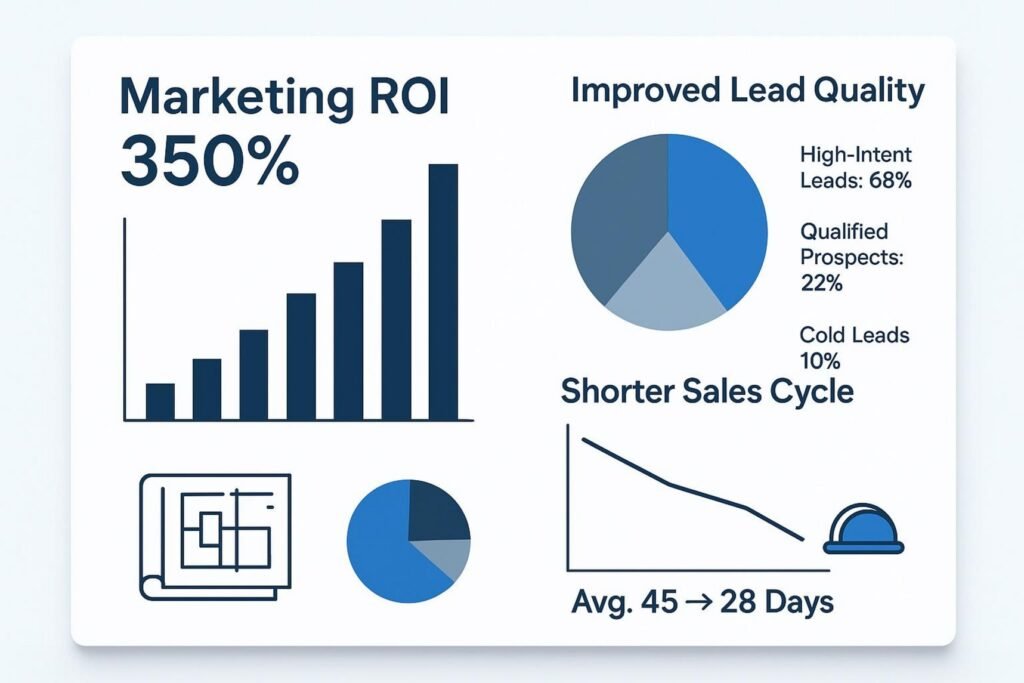
One of the fastest benefits of hiring a specialized construction marketing agency is better lead quality. By using focused targeting and industry wording in ads, content, and SEO, agencies help bring in project inquiries that actually fit the company. For example, a mid-sized commercial contractor that switched to a specialized firm reported a 42% increase in qualified project inquiries within six months, along with fewer irrelevant leads.
Better targeting also saves time by reducing calls and meetings with poor-fit prospects, which helps shorten the sales process. In construction, SEO traffic can convert at about 35% to 38%, far above the usual B2B average of 2% to 5%. The average project values from these SEO leads range from $12,000 to $35,000 per converted opportunity, showing how much focused marketing can affect revenue.
Builds Brand Trust and Authority with Target Audiences
Because construction projects involve major budgets and risk, trust is a deciding factor. A specialized agency helps build trust by keeping the brand message consistent and professional across every channel. Accurate, compliant content and clear project examples help position the company as experienced and dependable.
Companies that improve their RFP and proposal process often see a 16% increase in win rates because their submissions are accurate, well presented, and consistent. Marketing can also increase engagement and help buyers feel comfortable with the team, while showing a focus on safety and professionalism-two major concerns for owners. By building a clear identity and managing reviews and public feedback, agencies help make sure that when buyers look the company up online, they see a brand that feels reliable and stands apart.
Delivers Measurable ROI and Business Growth
A major reason firms hire construction marketing agencies is the clear return on investment and real business growth they can track. Construction companies that work with specialized marketing professionals often see overall marketing ROI between 280% and 350%. Digital marketing makes tracking easier, since firms can compare spend directly to leads, won work, and revenue, then adjust budgets based on results.
Better use of time and money, along with stronger project wins, helps companies stay competitive and keep growing. By using bid discovery, proposal automation, and bid management software, some firms can remove up to 20 hours of admin work each week, freeing people to focus on relationships and project delivery. Agencies also bring market and customer insights that help companies adjust their approach, use resources more wisely, and stay strong against competitors.