
Stucco has been used for a long time as an exterior finish, and people like it because it lasts, has a textured feel, and works with many styles. But building materials keep improving, and stucco has improved too.
Today, modern stucco contractors use new methods and newer materials that can perform better than older systems. These updates help create exteriors that look current while also holding up better over time and supporting better energy use.
If you are planning a facade upgrade or a restoration, working with a contractor who keeps up with these changes can make a big difference in how the final result looks and how long it lasts. When you need the right team for the job, choosing an experienced stucco installation contractor who uses modern systems can help you get a stronger, longer-lasting exterior.
What Sets Modern Stucco Installation Contractors Apart?
Modern stucco contractors stand out because they mix updated knowledge, newer materials, and improved installation methods. They do more than spread stucco on a wall-they build a wall system meant to meet today’s needs.
Traditional Methods Compared to Modern Approaches
In the past, stucco was usually installed as a three-coat cement system. Contractors applied a scratch coat, then a brown coat, and then a finish coat. These coats went over metal lath and a moisture barrier. This system has a long history and can be very strong, but it is thick, heavy, and may form small cracks while curing, especially in tough climates. It also takes a lot of time and skill because each layer must be applied correctly and allowed to set.
Modern stucco methods often use one-coat systems or synthetic stucco, also called Exterior Insulation and Finish Systems (EIFS). These newer options are made to be more flexible and better at handling movement. They can help reduce cracking, add insulation, and lower the weight added to the building. The goal has shifted from simply covering the wall to building a complete exterior system that supports durability, energy savings, and many finish options.
Why Homeowners and Businesses Choose Modern Techniques
Homeowners and businesses often choose modern stucco because it saves time. Many modern systems go on faster, which can shorten the work schedule and reduce labor hours at the property. Faster work does not have to mean lower quality-new tools and methods can produce a more even finish and more consistent results.
Modern stucco also gives more design choices. Contractors can create many textures, from smooth to heavily textured, and they can match a wide range of colors using updated pigments. This makes it easier to fit both modern and classic building styles.
On top of that, benefits like better crack resistance, stronger weather protection, and improved energy performance appeal to people who want long-term value and lower upkeep. These systems are often a good fit for new wood-framed homes, multi-family buildings, and light commercial buildings where speed and weight matter.
Key Modern Techniques Used by Stucco Installation Contractors
Better stucco results come from better materials and better building practices. Contractors today use several modern methods to produce stronger, cleaner, and longer-lasting finishes.
Polymer-Modified and Fiber-Reinforced Stucco Formulations
A major change in modern stucco is the use of updated mixes. Polymer-modified stucco adds synthetic polymers to improve adhesion, flexibility, and water resistance. This helps the stucco handle expansion and contraction from temperature swings, which often leads to cracking.
Many mixes also include fibers (such as glass or synthetic fibers). These fibers help improve tensile strength, which can make the finish tougher and more impact-resistant. Some modern plastering cements, such as Eisenwall hydraulic cement plaster, can reach around 3,500 PSI after a 28-day cure, which can be as strong as (or stronger than) some concrete foundation mixes.
Spray Application vs. Hand Troweling
Hand troweling is still important for certain textures and detailed areas. But many contractors now use spray equipment for faster application and more even coverage. With the right tools, crews can apply stucco at a consistent thickness across large walls, which is harder to do by hand alone.
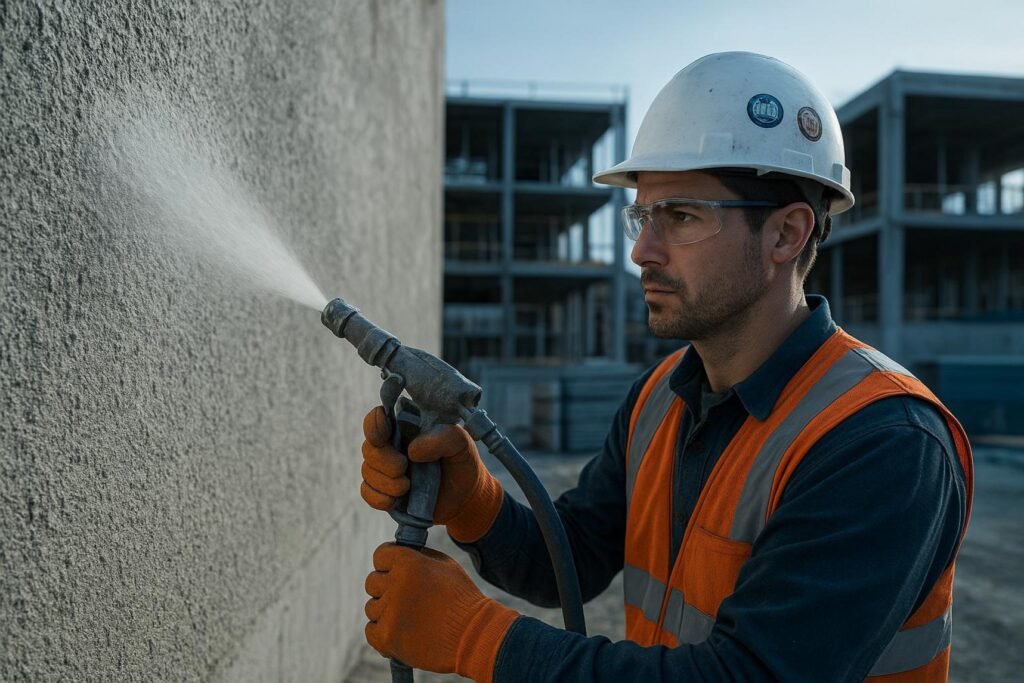
Spraying can be especially helpful on bigger projects where speed and consistent results matter most. It can also lower labor costs and shorten the time needed on site.
One-Coat Systems versus Classic Three-Coat Stucco Systems
Three-coat stucco is strong, but it takes longer because it uses multiple layers and needs more curing time between coats. One-coat systems use a thicker base layer plus a finish coat, which can speed up the process while still providing solid performance.
Synthetic stucco (EIFS) often includes foam board insulation with a flexible finish layer on top. These systems are lighter and can improve insulation, which can support better energy use in the building.
Ready-Mix and Pre-Blended Materials for Consistency
Pre-mixed and pre-blended stucco products help contractors keep mixes consistent. Instead of mixing everything on site and risking uneven ratios, crews can use materials that are made to perform the same way from batch to batch.
These products also reduce waste and can help keep color and texture more consistent across the project. “Rapid set stucco,” sold at major retailers, is one example-often you only add water before applying it.
Self-Cleaning and Water-Resistant Coatings
Modern stucco work often includes protective coatings that resist water and help reduce staining. Some coatings help repel dirt and grime so the exterior stays cleaner for longer.
Water-resistant coatings also help protect the wall assembly. By limiting moisture entry, they reduce the risk of water damage, mold, and early breakdown of materials behind the stucco.
Advanced Lath and Substrate Preparation
Good stucco work depends heavily on the prep work underneath. Modern contractors focus strongly on waterproofing because water control is often the biggest factor in long-term performance.
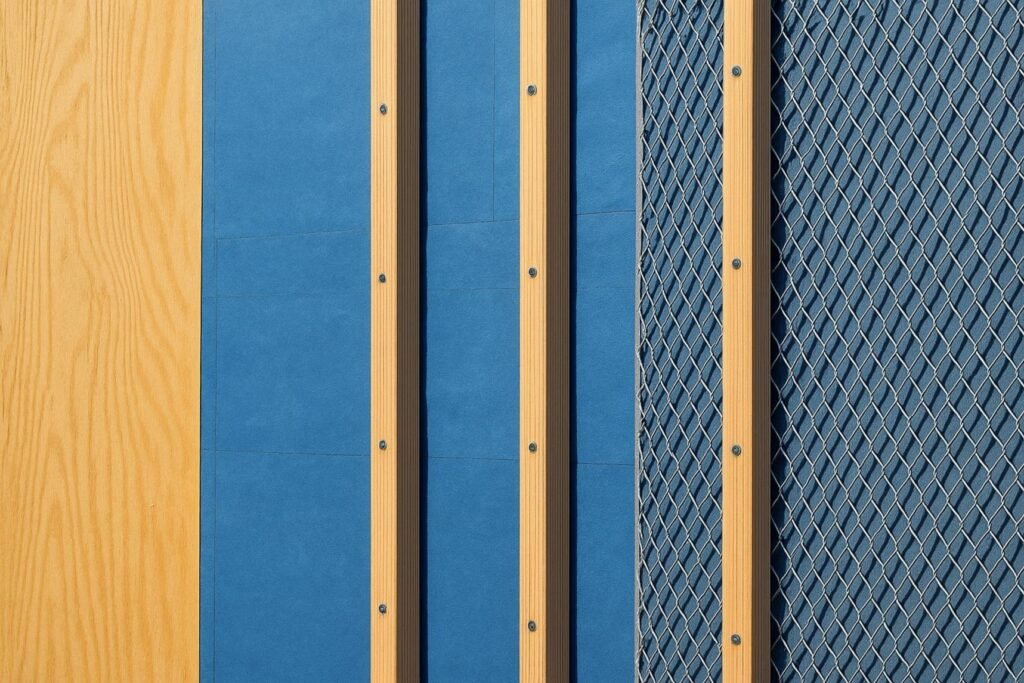
Newer lath systems use water-resistant paper, wire mesh, and other metal parts installed in a way that helps block water entry. Surface prep and priming can also improve bonding between the wall and the stucco, helping reduce issues like separation or cracking. Many projects include inspections after these steps so the system meets code and performs as expected.
Integration with Modern Building Envelope Technologies
Modern stucco is often planned as part of the full building envelope, not as a separate finish. Contractors may add insulation layers as part of the stucco system or apply stucco over insulated sheathing.
This approach supports better energy performance and better moisture control. It also helps the stucco do more than “look good”-it becomes part of how the building manages heat, air, and water.
Advantages of Modern Stucco Techniques
Modern stucco methods come with clear benefits, especially for newer construction and exterior renovation work.
Improved Durability and Crack Resistance
Polymer-modified and fiber-reinforced mixes help modern stucco handle movement better. Since buildings shift slightly and temperatures change, this extra flexibility and strength helps reduce cracking.
The result is a stronger finish that is less likely to develop small cracks that can hurt the look of the wall and allow water inside. With correct installation and basic upkeep, modern stucco can last 50 years or longer.
Faster Installation and Reduced Labor Time
One-coat systems, pre-mixed materials, and spray methods can speed up installation. That often means the project finishes sooner and labor costs may be lower.
This is useful for both commercial projects and residential work, since quicker completion can reduce disruption and help owners use the space sooner.
Customization of Colors, Textures, and Finishes
Modern stucco gives many options for appearance. Contractors can use a wide range of pigments and dyes to produce anything from classic earth tones to brighter, modern colors.
Texture options are also broad, including smooth finishes and heavier textures. This flexibility helps homeowners and designers match the building style and improve curb appeal and resale value.
Enhanced Weatherproofing and Moisture Control
One of the biggest improvements in modern stucco is better moisture management. Older stucco systems could fail if water got behind the finish and could not drain or dry.
Modern systems focus on water-resistant barriers, improved lath installation, better mixes, and correct flashing and sealing. Together, these steps help prevent leaks and reduce the chance of mold and hidden water damage, even in harder climates.
Energy Efficiency and Environmental Impact
Modern stucco can also support energy savings and greener building goals.
High-Performance Insulating Stucco Systems
Stucco can help slow heat transfer because it is dense. This can help indoor temperatures stay steadier through different seasons.
Insulating stucco systems improve this further by adding insulation layers or using stucco over insulated sheathing. EIFS systems commonly use foam board insulation to raise thermal resistance and help create a strong thermal barrier around the building.
Contribution to Lower Energy Costs
When wall insulation improves, heating and cooling systems may not have to work as hard. That can lower energy use and reduce monthly utility bills over time.
Some stucco finishes also use reflective pigments that reduce heat absorption, which can be helpful in sunny climates. For many owners, modern stucco is both a visual upgrade and a way to improve energy performance.
Eco-Friendly and Sustainable Material Choices
Many contractors now use stucco products that include recycled content or lower-impact additives. This can reduce the overall environmental impact while still keeping good performance.
Some manufacturers reuse scrap materials or waste from other industries, and many contractors also try to source materials locally when possible. These choices support green building practices and reflect the growing interest in more sustainable construction methods.
How Modern Techniques Address Common Stucco Issues
Modern stucco systems are built to reduce problems that older stucco exteriors often faced, which can mean fewer repairs and easier upkeep.
Prevention of Cracking and Water Intrusion
Cracking and water entry were two common problems with older stucco jobs. Modern mixes help reduce cracking by improving flexibility and strength, making the finish better at handling small shifts and temperature changes.
Water protection has also improved through better moisture barriers, better lath installation, correct flashing, and modern sealants. Contractors also add expansion joints where needed so the wall can move slightly without breaking the finish. These steps help keep water out and lower the risk of mold and rot inside the wall.
Repair and Remediation with Advanced Materials
Even strong stucco systems can need repairs over time. Modern patching products and sealants can fix small cracks in a way that lasts and blends in well with the existing finish.
For larger damage (such as failing areas or serious water entry), repairs are more structured than they used to be. Contractors start with a detailed inspection, remove damaged stucco, and fix problems behind the wall (like rotted wood) before applying new material. The work typically ends with sealing and waterproofing so the repair holds up.
Maintenance Requirements for Modern Stucco
Modern stucco usually needs less upkeep than older stucco, but basic care still matters. Property owners should check the exterior seasonally, especially after storms, and look for new cracks or worn areas.
Sealing small cracks early can prevent water from getting in and can help avoid larger repairs later. Occasional cleaning also helps keep the exterior looking good, especially if the finish is meant to resist dirt. A stucco professional can also recommend protective steps based on your local weather and your building type.
Emerging Trends and Future Innovations in Stucco Installation
Stucco continues to change, and new ideas are already shaping what future stucco systems may look like.
Digital Tools and Application Technology
More contractors are using digital tools and updated application equipment to improve speed and accuracy. New machines can help with mixing and applying stucco more evenly, which can improve consistency and reduce labor.
Future systems may also include better insulation layers and stronger thermal barriers built into stucco assemblies. Many of these changes aim to reduce waste, speed up work, and produce cleaner, more predictable results.
Smart, Self-Healing, and Bio-Based Stucco Materials
New “smart” materials are also being explored. Some concepts include sensors inside wall systems that track moisture and temperature. If widely adopted, this could help owners spot issues early and handle repairs before damage spreads.
Researchers are also looking at nanotechnology to improve insulation performance without making the system thicker. Longer-term ideas include self-healing stucco that can close small cracks on its own, and bio-based stucco that uses more natural, renewable ingredients. These efforts show the focus on better performance and more sustainable building materials.
What to Consider When Selecting a Stucco Installation Contractor
Picking the right contractor is one of the biggest factors in getting a good stucco result. This choice should not be rushed or based only on price.
Certifications and Experience with Modern Methods
A good contractor should have experience with the specific system you want to use, whether that is one-coat stucco, EIFS, or polymer-modified mixes. Look for licensing and insurance, and ask for examples of completed projects using these methods.
Local experience also matters. Different areas have different weather and building rules. A contractor like Nova Construction Services that understands your local climate and codes is more likely to install the system correctly. Training and certifications in modern stucco systems can also show that the contractor keeps up with updated best practices.
Questions to Ask About Techniques and Material Choices
When you speak with a contractor, ask clear questions about how they plan to do the job and what products they will use. Here are a few helpful questions:
- What type of framing does my home have, and how will your stucco system work with it?
- How long do you expect the project to take, including curing time and weather delays?
- Do you recommend added insulation, and if yes, what insulating stucco systems do you install?
- If I need to match an existing finish, how will you match the texture and color?
- Is your crew trained and certified in the modern stucco system you are recommending?
- What warranty comes with the work (materials, prep, moisture barriers, finish work, and cleanup)?
Ask for reviews, references, or examples from past clients who had modern stucco installed. Get at least three bids, but remember that the lowest price may not give the best long-term value. Clear communication, reliable scheduling, strong warranties, and good problem-solving often matter more than a small difference in upfront cost.
Conclusion: The Enduring Evolution of Stucco
Stucco has changed a lot over time, moving from older lime plasters to today’s modern mixes and systems. Modern stucco is more than an exterior coating-it is a rebuilt approach that fits current building goals, where performance, sustainability, and style work together. These updates have helped stucco stay popular across many types of projects.
In cities, modern stucco systems are helping update older buildings through major renovation work. Polymer-modified stucco can be especially useful for restoring historic facades, helping them last longer while still meeting modern performance needs. Better moisture resistance matters in places with changing weather, where older stucco might have needed more frequent repairs.
Eco-focused residential developments also use modern stucco methods to meet green building targets. Insulating stucco systems can improve energy use, reduce heating and cooling needs, and lower a building’s carbon footprint. This makes stucco a practical choice for homeowners and developers who want more sustainable building options.
Large commercial and institutional projects also benefit from modern stucco. Pre-mixed products and spray application can speed up schedules and help reduce labor costs. In some cases, smart monitoring ideas are being added so building managers can track exterior conditions and handle maintenance early, helping the finish last longer.
Choosing modern stucco is an investment in durability, energy performance, and design flexibility. If you are planning a stucco project, the contractor you choose matters. With the right skills and modern methods, stucco can restore or improve a property’s look while providing long-term protection for years to come.