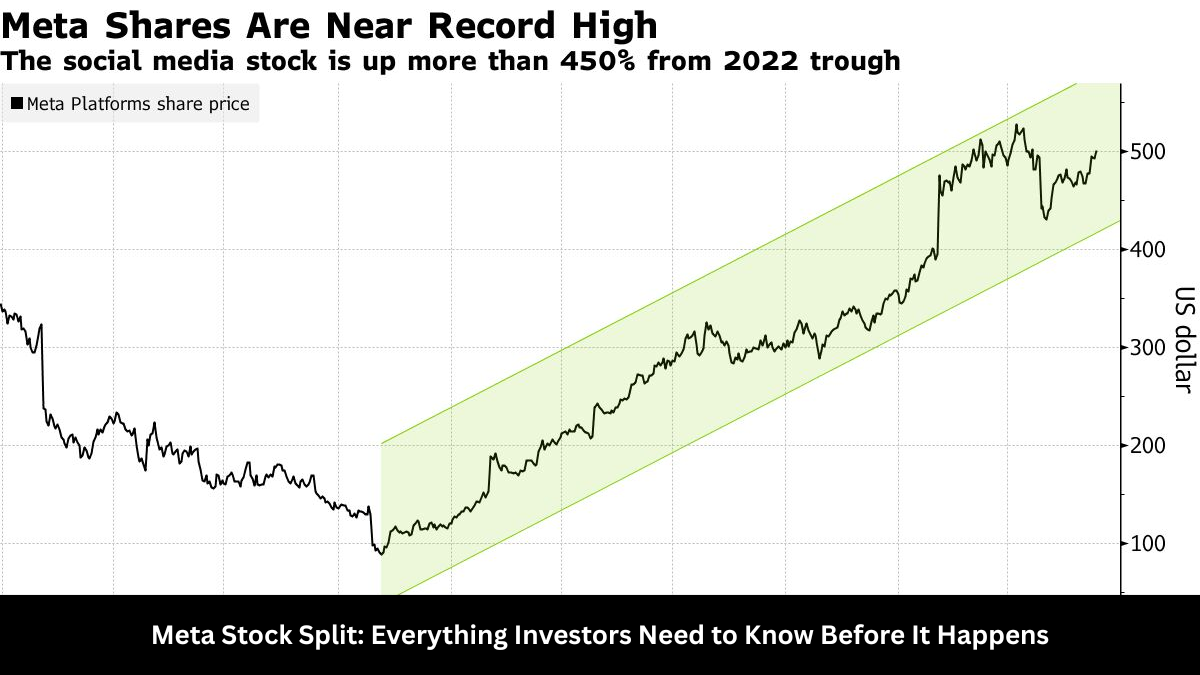
The topic of meta stock split has become increasingly popular among investors as Meta Platforms continues to grow into one of the world’s most valuable technology companies. Whenever a company’s share price climbs significantly, discussions about a possible stock split naturally follow. While there has been plenty of speculation, many investors still wonder what a stock split actually means and whether it would benefit Meta and its shareholders.
Understanding the idea behind a stock split is important because it helps investors make informed decisions instead of reacting to headlines or social media rumors. Although a stock split does not change the company’s actual value, it can influence investor psychology, trading activity, and market accessibility.
In this article, we’ll explore everything you need to know about a meta stock split, including how stock splits work, why companies choose them, the potential benefits and drawbacks, and what investors should realistically expect in the future.
What Is a Meta Stock Split?
A meta stock split refers to the possibility that Meta Platforms could divide its existing shares into multiple new shares while keeping the company’s overall market value unchanged. For example, in a 2-for-1 stock split, every shareholder would receive two shares for each share they currently own, while the share price would be cut in half.
Many first-time investors mistakenly believe that a stock split creates additional value. In reality, the company’s total market capitalization remains exactly the same. The only difference is the number of outstanding shares and the price per individual share.
Think of it like exchanging one $100 bill for two $50 bills. You still have $100 in total. Similarly, after a stock split, shareholders own more shares, but each share represents a proportionally smaller ownership stake.
Why Investors Keep Talking About a Meta Stock Split
Meta has experienced remarkable financial growth over the years. Strong advertising revenue, investments in artificial intelligence, and expanding digital platforms have helped push its stock price higher. As prices increase, speculation surrounding a meta stock split naturally grows stronger.
Many investors compare Meta to other technology giants that have previously announced stock splits after their share prices reached high levels. Companies often consider splits when management believes lower share prices may encourage broader investor participation.
Media coverage also contributes to the conversation. Financial news outlets frequently analyze whether Meta could become the next major technology company to announce a stock split, creating even more discussion among retail investors.
How a Stock Split Actually Works
Understanding the mechanics of a stock split makes the concept much easier to grasp. Suppose Meta’s stock trades at $800 per share. If the company announces a 4-for-1 split, each shareholder receives four shares for every one share previously owned.
After the split, each share would trade at approximately $200 instead of $800. Although investors now own four shares instead of one, the total investment value remains exactly the same immediately after the split.
The company’s earnings, revenue, assets, liabilities, and business operations remain unchanged. A stock split is simply an accounting adjustment that changes the number of shares outstanding without affecting the company’s underlying fundamentals.
Potential Benefits of a Meta Stock Split
One of the biggest advantages of a meta stock split is improved affordability for individual investors. Although many brokerage platforms now offer fractional shares, some investors still prefer purchasing whole shares at lower prices.
Lower share prices can also increase trading activity. More investors may feel comfortable buying or selling shares when the individual share price appears more accessible, potentially improving market liquidity.
Another benefit involves investor psychology. While the company’s value does not change, many investors perceive lower-priced shares as more attractive. This increased interest can sometimes contribute to positive market momentum following a stock split announcement.
Could a Stock Split Increase Meta’s Stock Price?
One of the most common questions investors ask is whether a meta stock split would automatically increase the stock price. The honest answer is no—not directly.
A stock split itself does not create additional revenue, profits, or business growth. Since the company’s overall value stays the same, the split alone does not justify a higher valuation.
However, history shows that many companies experience increased investor enthusiasm after announcing stock splits. Greater demand can occasionally push prices higher over time, but this happens because of investor sentiment rather than the split itself.
Reasons Meta Might Delay a Stock Split
Although many investors expect a meta stock split eventually, there are several reasons management may choose not to pursue one.
First, modern investing has changed significantly. Fractional share investing allows investors to buy small portions of expensive stocks, reducing the traditional need for stock splits.
Second, Meta’s leadership may believe that maintaining a higher share price reflects confidence in the company’s long-term strength. Some executives prefer allowing the market to determine accessibility rather than adjusting the share count.
Finally, management typically prioritizes business performance, innovation, artificial intelligence investments, and long-term shareholder value over cosmetic changes like stock splits.
How Previous Technology Stock Splits Influenced the Market
Looking at previous technology companies provides useful context when discussing a possible meta stock split.
Several well-known technology firms have announced stock splits after experiencing years of strong growth. In many cases, investors reacted positively because lower share prices attracted additional retail participation and increased trading volume.
However, it’s important to recognize that these companies continued performing well because of strong financial results—not because of the stock split itself. Their business fundamentals remained the primary driver of long-term shareholder returns.
Should Investors Buy Meta Because of Stock Split Rumors?
Buying a stock solely because of stock split speculation is generally not a sound investment strategy. While a meta stock split may generate excitement, investors should focus on the company’s long-term financial health instead.
Important factors include revenue growth, advertising performance, artificial intelligence development, operating margins, user engagement, and future expansion opportunities. These elements ultimately determine shareholder value far more than a stock split announcement.
Investors should also maintain diversified portfolios rather than concentrating investments based on market rumors. Long-term success usually comes from disciplined investing instead of chasing headlines.
Things Investors Should Watch Going Forward
Instead of focusing only on whether a meta stock split happens, investors should monitor the company’s quarterly earnings reports, future guidance, and strategic investments.
Meta continues investing heavily in artificial intelligence infrastructure, virtual reality technologies, and digital advertising improvements. These initiatives could influence the company’s long-term growth far more than any stock split announcement.
Investors should also pay attention to management commentary during earnings calls. If executives ever begin discussing shareholder accessibility or capital structure changes, speculation regarding a future stock split could increase.
Common Misconceptions About a Meta Stock Split
Many people believe a stock split makes investors wealthier overnight, but this is one of the biggest misconceptions in the stock market. Since the company’s total value stays constant, existing shareholders simply own more shares at a proportionally lower price.
Another misunderstanding is that stock splits guarantee future gains. While some companies have performed well after splitting their shares, strong business performance—not the split itself—is what drives long-term appreciation.
Finally, some investors assume every expensive stock will eventually split. In reality, many successful companies choose not to split their shares and continue performing exceptionally well regardless of their share price.
Conclusion
The possibility of a meta stock split continues to attract attention because Meta remains one of the world’s leading technology companies with significant long-term growth potential. Although a stock split would lower the individual share price and increase the number of outstanding shares, it would not change the company’s actual value.
For investors, the most important takeaway is that business fundamentals matter far more than stock split announcements. Revenue growth, innovation, profitability, competitive advantages, and long-term strategy will continue to determine Meta’s future performance.
If Meta eventually announces a stock split, it could improve accessibility and generate additional investor interest. However, successful investing should always be based on careful research, realistic expectations, and a long-term perspective rather than speculation alone.
